A Designer's Review of the Baseball Mom Embroidery Design
The First Stitch: Assessing Personality and Placement
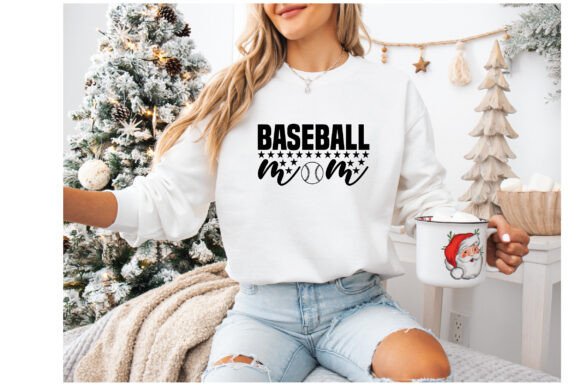
Opening the Baseball Mom SVG T-Shirt Design file, my first thought is how confidently it declares its theme. It’s not a timid, overly ornate piece; it’s straightforward and friendly. This graphic feels like it belongs on a comfortable sweatshirt or a sturdy tote bag carried to the bleachers. The mood is celebratory and proud, without being flashy. For an embroidery project, this is a strong starting point—a design with a clear visual personality that translates quickly to a stitched product.
The layout and detail level suggest it’s meant to be a focal point, not a tiny accent. I immediately picture it as a central motif on a custom apparel item. It naturally lends itself to projects meant for a specific person or as a gift that recognizes a role. Think a personalized gift for, well, a baseball mom, but also for a coach, a dedicated fan, or as boutique merchandise for a small shop catering to sports communities. Its appeal is direct, which is excellent for customer recognition and engagement.
From Digital File to Stitched Reality: Practical Performance
In real-life embroidery situations, a design’s simplicity is often its greatest strength. Here, the clean shapes and clear lettering of the Baseball Mom design mean it should perform reliably across various applications. On a heavyweight sweatshirt, satin stitches for the text would look crisp. On a canvas tote bag, fill stitches for the main graphic element would hold up to wear. I’ve mentally mapped it onto a few products: a baby blanket for a little slugger’s nursery, an apron for team snack duty, or a simple patch that could be applied to a cap or backpack.
For craft business items, like Etsy listings or craft fair products, this design offers good versatility. It works as a standalone statement on a tea towel or pillow cover for home decor. As a digital embroidery file, the provided formats, including SVG and PNG, are crucial for creating printable mockups and digital product previews, which help sell the idea before the stitch is ever made. This is a solid design asset for commercial embroidery projects where the end product needs to communicate its message instantly.
Where Caution and Consideration Come Into Play
While the design feels robust, any embroidery designer knows that translation from screen to fabric requires forethought. The potential pitfalls for this Baseball Mom design aren’t in its concept, but in its execution on tricky substrates.
Small details and lettering always warrant a close look. If the text elements within the design are very fine, they might become muddy on textured fabrics like fleece or on stretchy fabric without adequate stabilizer. Similarly, dense stitch areas, if present, could be problematic on thin fabric, leading to puckering.
Dark fabric backgrounds require planning for thread color contrast. A default white or light-colored stitch plan might not pop on a navy sweatshirt; you’d need to adapt your palette. Curved surfaces like caps also demand a test run; the design’s proportions might need adjustment to fit the smaller, curved hoop size gracefully.
Finally, for products destined for frequent washing—like kids’ apparel or kitchen towels—you’d want to ensure the stitch density isn’t so high that it makes the fabric stiff or prone to wear at the edges. A little extra stabilizer and a quality thread choice here would go a long way in preserving the handmade presentation and building customer trust in the product’s durability.
Affecting the Finished Product: Value, Trust, and Giftability
How does this specific design affect the final embroidered product’s appeal? A well-executed Baseball Mom embroidery on, say, a high-quality hoodie, elevates it from a generic garment to a personalized, meaningful item. This directly increases its perceived value and giftability. For a creative entrepreneur, using a clear, well-designed graphic like this supports brand consistency—if your shop specializes in sport-themed gifts, this fits the portfolio seamlessly.
From a buyer’s perspective, a clean, professional-looking embroidery job using this design signals care and skill. It avoids the look of a cheap, mass-produced transfer, which builds engagement and repeat business. For holiday gifts or wedding gifts for sports-loving families, this kind of targeted design feels thoughtful and custom, exactly what buyers of handmade products are seeking.
The Designer's Notes: Pre-Hoop Checklist
Before loading this file into your machine, a few practical steps are non-optional. They separate a hobby experiment from a professional embroidery project.
- Test on scrap fabric first. Use the same material you intend for the final product. This reveals how the design handles the fabric’s texture and stretch.
- Check thread color contrast against your final garment color. Run a small section in both light and dark fabric mockups if you plan to offer the product on various backgrounds.
- Review stitch density in your embroidery software. Look for any overly dense areas that might need adjustment for the fabric weight.
- Confirm your hoop size can accommodate the design comfortably. For smaller items like baby clothes or caps, ensure the design scale is appropriate.
- Inspect the small details. Zoom in on the file and look for any tiny corners or narrow lines that might require a needle change or stitch type alteration.
- Use proper stabilizer. This is universal advice, but especially key here if the design has solid fill areas or will be applied to a challenging fabric.
- Clarify licensing. The product description states it’s ready for apparel, but if you’re a digital product seller or plan to sell the finished items commercially, confirm the specific license terms for redistribution or commercial use. Don’t assume.
Embroidery, at its best, is the marriage of a good digital file and thoughtful physical execution. The Baseball Mom SVG T-Shirt Design provides a strong, thematic starting point. Its success in your craft business, as a personalized gift, or as a small shop product hinges on how you adapt it to the realities of fabric, thread, and hoop. Approach it with a designer’s eye for context and a maker’s hands-on caution, and it should stitch up into a product that feels both professional and genuinely heartfelt.