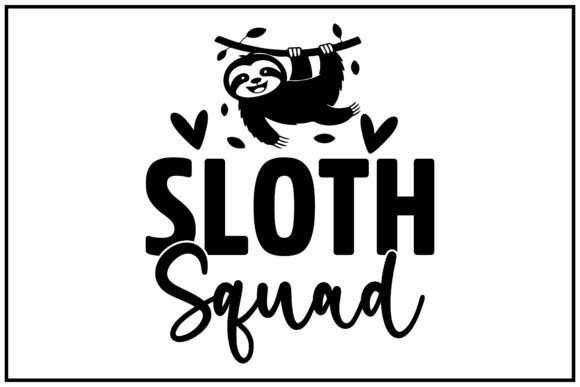
A Professional Designer’s Review of the Sloth Squad SVG T-Shirt
As a designer who regularly evaluates embroidery files for real client projects and handmade products, I approach every new design with a practical eye. Today, I’m looking at the Sloth Squad SVG T-Shirt design, not just as a graphic, but as a potential asset for embroidery work. The immediate charm is undeniable: it's playful, relaxed, and carries that friendly, slow-moving vibe that sloths represent. But the real question is how this charm translates into stitches on fabric.
The First Impression: Mood, Layout, and Potential
This design has a cohesive, squad-based feel. The layout typically suggests a central, stylized sloth figure or group, often accompanied by clean, supportive text. For an embroidery designer, this means assessing the detail level. Are the lines clear enough for satin stitches? Are any fill areas defined without being overly dense? The visual personality is key here—it’s not a hyper-detailed illustration; it leans toward a modern, slightly whimsical graphic style. This makes it a natural candidate for projects where a friendly, approachable aesthetic is desired, like personalized gifts or boutique merchandise.
A Real-Life Scenario: Preparing a Custom Embroidered Tote Bag
Imagine you’re an Etsy seller preparing a custom embroidered tote bag for a client who loves quirky animal motifs. You pull up the Sloth Squad SVG T-Shirt file. Your first thoughts are about scale. This design likely works beautifully at a moderate size, making it a statement piece on the bag’s front panel. You’d consider thread colors: earthy greens and browns for the sloth, perhaps a contrasting color for the text to pop. The mood it creates is perfect—a laid-back, eco-friendly vibe that appeals to a specific customer. You’re not just stitching a graphic; you’re creating a product with a clear personality.
Performance in Real Embroidery Situations
This design’s strength lies in its adaptability. From my experience, a graphic with clean lines and balanced elements performs well across various embroidery projects.
- Custom Apparel: On sweatshirts and t-shirts, it becomes a fun, casual logo. It feels current without being trendy.
- Home & Gift Items: Embroidered onto pillow covers or kitchen towels, it adds a touch of personality without overwhelming the product.
- Baby & Nursery Decor: Stitched onto a baby blanket or bib, the sloth theme is gentle and sweet, perfect for a handmade presentation.
- Small Business Merchandise: For a craft business or small shop, this could be a great piece of branded merchandise—think embroidered caps or aprons for a cafe with a relaxed atmosphere.
- Embroidered Patches: The design’s clarity makes it a strong candidate for a standalone patch, which can then be applied to bags or jackets.
In each case, the design affects visual appeal and product value by offering a recognizable, cohesive theme. It builds customer trust because a well-executed embroidery of a clear design looks professional. For giftability and buyer engagement, it taps into a popular, positive motif that people connect with easily.
Where to Use Carefully: The Designer’s Caveats
No design is universally perfect. Here are the situations where I’d advise extra caution with the Sloth Squad SVG T-Shirt embroidery file.
- Very Small Hoop Sizes: If the design includes text, tiny lettering can become blurry or break under satin stitch. Test at your intended size first.
- Textured or Stretchy Fabrics: Fabrics like loose knits or thin jersey can distort clean shapes. A proper stabilizer is non-negotiable here.
- Dark Fabric Backgrounds: The color palette matters. If the design uses light colors, stitching it on a black hoodie might require a bold white underlay or a rethink of thread choices for contrast.
- Curved Surfaces: On caps, the curved crown can challenge the layout’s flat presentation. You might need to adjust the placement or simplify elements.
- Products for Frequent Washing: If stitching on items like tea towels or baby clothes that get washed often, consider a robust stitch density for durability, especially in any fill stitch areas.
The key is understanding that the design’s success depends on your adaptation to the fabric texture and final product use.
Practical Notes for the Embroidery Designer
Before you run this machine embroidery design on a client’s order or your next craft fair product, here’s my checklist from the workbench.
- Always test on scrap fabric first. Use the same material you intend for the final product. This reveals any issues with stitch density or thread tension.
- Check thread color contrast. View the design in black and white mockups to see if the elements hold their form without color information.
- Review the design’s smallest details. Zoom in. Are there any intricate corners or joins that might not translate well into stitches? Sometimes a slight simplification in the embroidery file can improve clarity.
- Confirm your hoop size. Ensure the design dimensions fit comfortably within your available hoop, allowing for clean borders.
- Consider stabilizer choice. For tote bags (sturdy fabric) versus t-shirts (light, stretchy), your stabilizer needs will differ dramatically.
- Clarify licensing. The product description mentions use on various items. As a commercial maker, you must confirm the license allows for selling the finished product or using it in your digital product previews and printable mockups. Never assume.
These steps turn a good digital embroidery file into a great embroidered project. They protect your time, materials, and the final product’s quality.
Final Judgment: A Versatile Asset for Creative Makers
The Sloth Squad SVG T-Shirt design, from a professional embroidery standpoint, is a solid, versatile asset. It’s not overly complex, which is often a benefit for clean stitching and speed in production. It carries a mood that resonates with customers, making it excellent for personalized gifts and small shop products. Its application across apparel, home goods, and accessories demonstrates its flexibility as a design asset.
For the embroidery designer, small business owner, or crafter, its value is in its visual personality and adaptability. By approaching it with practical preparation—testing, adjusting for fabric, and confirming licensing—you can transform this graphic into a high-quality, professional-looking embroidered piece that enhances your craft business and delights your customers. Remember, the best designs aren’t just pretty files; they are blueprints for successful, stitched reality.