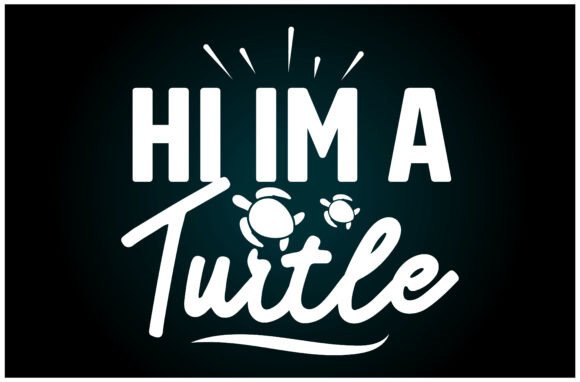
A Turtle Graphics Asset for Playful T-Shirt Designs and Content
When you download the Hi I'm a Turtle SVG graphic design asset for the first time, the immediate impression is one of relaxed, approachable charm. It isn't a corporate logo or a stern icon; it's a friendly, conversational character. This creates an editorial mood that is inherently lifestyle-focused, playful, and a touch whimsical. For publishers, this translates to content that feels welcoming, personal, and perhaps geared towards hobbies, nature, slow living, or family-friendly topics.
Editorial Fit: Where This Turtle Graphics Design Works Best
As a blog designer, I see this asset supporting niches that value a light-hearted visual identity. Think crafting blogs, parenting sites, eco-friendly lifestyle content, or educational resources for children. The design isn't overly feminine or masculine; it's simply cheerful. It wouldn't suit a serious financial newsletter, but it would be perfect for a blog about backyard gardening, mindful living, or creative hobbies where the tone is more "come as you are."
When you extract the ZIP file, you get a versatile SVG. The description notes it's for printing on sweaters, mugs, pillows, and more, but for digital publishers, that multi-use promise is key. It means the design is clean, scalable, and ready to be a graphic component across your entire content ecosystem.
Real Publishing Workflows: From Blog Graphics to Pinterest Pins
Let’s frame this around a real Monday morning. You're a content creator preparing a blog post about "Slow Living Habits." You need a featured image, a Pinterest pin graphic, and a small thumbnail for your newsletter. The Hi I'm a Turtle SVG asset can serve all three.
- Blog Featured Images & Headers: Place the turtle graphic beside a calming, sans-serif headline. The friendly character establishes an immediate visual hierarchy, drawing the eye before the text, making the entire article graphic look more polished and intentional than a stock photo.
- Pinterest Graphics & Social Media Previews: This design, when sized appropriately, becomes a central, recognizable icon on a Pinterest pin. Its clear shape and positive message ("Hi I'm a Turtle") can boost click-through potential in a feed full of generic images.
- Downloadable Resources & Lead Magnets: Imagine creating a downloadable "Slow Living Challenge" worksheet or a digital guide. Using this turtle as a decorative accent on the cover or within the pages reinforces the theme and creates a more cohesive, professional-looking digital product.
- Newsletter Banners & Category Thumbnails: A small, clean version of the turtle can act as a visual marker for a specific blog category, like "Family Activities," helping with reader recognition and consistent branding across your site.
Boosting Content Performance with a Strong Visual Identity
Using a distinct graphic design asset like this isn't just about decoration; it's about performance. In affiliate marketing content or a digital guide, a strong, consistent visual theme builds reader trust. It signals that you've invested in the presentation. For an online educator, a friendly turtle on course materials can make the learning experience feel more engaging and less intimidating.
This asset supports a clearer visual hierarchy in your editorial design. On a busy website homepage, a banner featuring this graphic can stand out as a welcoming hero image. It breaks up text-heavy layouts and gives the eye a restful, decorative point of focus. For creative entrepreneurs, it can be imported into Canva templates to quickly generate a suite of branded social media graphics without starting from scratch each time.
Practical Publisher Notes: Testing and Implementation
Before you commit to using Hi I'm a Turtle SVG across your publishing projects, run some practical tests. This is where an experienced digital publisher's eye matters.
- Test Scale and Readability: Preview it at thumbnail size on a mobile screen. Does the "Hi I'm a Turtle" message remain clear? Does it become a fuzzy blob on a small category icon?
- Check Contrast and Layout: Place it on various backgrounds. It likely works best on clean, solid, or lightly textured backgrounds. Avoid placing it over busy photographic backgrounds where it will lose impact.
- Experiment with Typography: Try pairing it with different font styles. A soft script font might amplify its playful vibe for a lifestyle blog. A clean sans-serif font might ground it for a more modern, educational site. See how it sits beside your headline text in a real blog layout mockup.
- Verify Commercial Licensing: Crucially, confirm the license terms before using it on monetized websites, affiliate pages, or in paid digital products like eBook covers. For small business branding, you need to know if you can use it commercially.
- Optimize for Web Performance: When you export it as a PNG or JPG for web use, compress the image properly. A large, unoptimized file can slow down your blog, harming user experience and SEO.
Where to Use This Design Asset Carefully
While versatile, the Hi I'm a Turtle SVG has a specific personality. It should be used carefully in certain publishing contexts.
- Serious Professional Niches: Avoid using it on corporate content, legal blogs, or formal business websites. Its playful tone would clash with the required professionalism.
- Very Minimal Visual Systems: If your website branding is ultra-minimalist (think stark black and white, heavy use of geometric shapes), this decorative, character-based asset might disrupt your established aesthetic.
- Text-Heavy Blog Images: If you're creating an infographic or a complex data visualization, this turtle as a large central element could distract from the information rather than support it. Use it as a small accent instead.
Ultimately, the value of this graphic design asset for real website and editorial publishing lies in its ability to inject a specific, warm mood into your visual content. It’s more than a T-shirt design; it’s a component for building a recognizable, trustworthy, and click-worthy content library. From blog graphics to newsletter headers to Pinterest pins, it provides a consistent visual thread that tells your reader, "This content is friendly, this space is welcoming," before they even read a single word.