Little Kindness Change SVG: An Embroidery Design Review
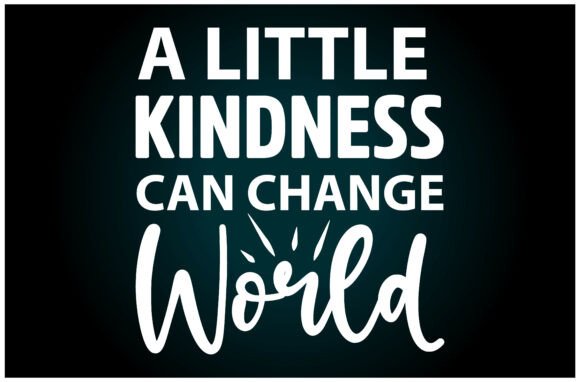
When you're running a craft business or stitching projects for clients, a design's file is just the starting point. Its real test is on the fabric. Today, I'm looking at the Little Kindness Change SVG, a design marketed broadly for apparel and gifts, from the perspective of an embroidery designer ready to put it into real-world use.
The Warm First Impression: A Design Built for Connection
My immediate reaction to this design is its gentle, hopeful mood. The phrase itself—“Little Kindness Change”—has a soft cadence that avoids being overly bold or whimsical. It suggests subtlety. Visually, this lends itself to projects where the message should feel personal and encouraging rather than declarative. For embroidery, this means we're not looking for a dense, graphic block of text, but rather a layout that can be stitched with a clarity that feels handmade and sincere.
From a layout perspective, the design seems to belong naturally to items meant for close viewing or daily, comforting use. Think of a custom embroidered pillow cover in a cozy reading nook, a tea towel hanging in a kitchen, or the chest of a soft sweatshirt. It wouldn’t fight for attention on a loud, graphic tote bag, but instead, would add a thoughtful layer to a simple, well-made product. The “change” element implies a personal impact, making it a strong candidate for personalized gifts—think a wedding gift for a couple, a baby item for a new parent, or an apron for a beloved home cook.
Putting It to the Hoop: Real Project Considerations
Let’s walk through a scenario. I’m preparing a batch of embroidered organic cotton tote bags for a small boutique that focuses on mindful living. They want something that feels uplifting but not preachy. The Little Kindness Change design comes to mind. Here’s how I’d think it through.
On a medium-weight canvas tote, the design would need to be scaled appropriately. Its success hinges on stitch clarity, especially for the lettering. If the SVG contains very fine details or small serifs in the font, they might get lost or become unstable on a textured fabric like canvas. A clean, slightly bold sans-serif type would translate best into satin stitches or a crisp fill stitch. The word “Little” is particularly important—if it’s too tiny, it could become a dense, muddy spot after stitching. I'd definitely test this on scrap canvas first.
For apparel, like the suggested t-shirts and hoodies, fabric choice is critical. On a standard cotton tee, with proper stabilizer, it should stitch out cleanly. However, on a stretchy jersey or a fleece-backed hoodie, the stitch density needs to be managed to prevent puckering or the design feeling stiff on a flexible garment. This isn’t a design I’d automatically put on a curved surface like a cap unless the file is specifically adapted for that—the layout might distort at the seams.
Where This Design Finds Its Best Home
Based on its theme and likely composition, I see the Little Kindness Change SVG shining on:
- Home Decor Items: Pillow covers, kitchen towels, and lightweight blankets. These items offer a stable sewing surface and are seen in intimate settings where the message resonates.
- Soft Apparel: Sweatshirts, jumper fronts, and baby onesies or blankets. Here, the embroidery becomes a comforting detail, not just decoration.
- Personalized Giftables: Embroidered patches sewn onto a journal cover, a simple apron for a gift, or a linen handkerchief. The handmade presentation amplifies the kindness theme.
- Small Shop Merchandise: For an Etsy seller or craft fair vendor, this design on a well-chosen product (like a muslin bag or a cotton pillow) can convey a brand’s values of warmth and community.
Caution Areas: Stitching for Longevity
Every design has its limits, and knowing them protects your final product's quality and your customer's trust.
I would use this design carefully on:
- Very Small Hoop Sizes: If you need to miniaturize it for a tiny baby item or a pocket detail, the lettering may lose all definition. Test extensively.
- Dark or Highly Textured Fabrics: On dark fabric, you need excellent thread color contrast. On nubby textures like some wool blends, the stitch lines can break up, making the message hard to read.
- Items Requiring Frequent Heavy Washing: If the design has large areas of fill stitch on a garment like a work apron, repeated washing could stress the threads. A simpler running stitch outline might be more durable, but that depends on the file's construction.
- Products Where the Background is Busy: Stitching this onto a plaid or floral fabric could visually clutter the gentle message. It thrives on solid, calm backgrounds.
Designer Notes for a Professional Finish
Before committing this design to a client project or a batch of products, here’s my practical checklist:
- Test on Scrap Fabric First: Always. Use the same fabric and stabilizer you intend for the final product. Look for thread tension issues and clarity of small details.
- Check Color Contrast: Run a black-and-white mockup of the stitched design. Does the message still read clearly? This helps plan thread choices for light and dark backgrounds.
- Review the File Composition: Since it's an SVG, understand how it's built. Are the letters separate paths suitable for embroidery? Is it a single block? This affects how you assign stitch types (satin stitch for text, fill for a background shape).
- Confirm Licensing for Your Use: The product description mentions use on various products. If you are selling the finished embroidered items commercially, ensure the license permits that. This is a critical step for Etsy sellers and small businesses.
- Consider the Product’s Whole Look: How does this embroidered design, with its specific thread colors, complement the product’s color, style, and intended audience? It should feel like a cohesive, valuable addition.
The Final Stitch: Value and Appeal in the Market
From a commercial and creative perspective, the Little Kindness Change SVG offers a valuable asset. Its theme taps into a universal sentiment that enhances the perceived value of a handmade product. A customer seeing this on a pillow isn't just buying a pillow; they’re buying a reminder of positivity. That emotional connection boosts giftability and can make your Etsy listing or boutique product stand out.
For embroidery designers and makers, its utility lies in its adaptability across a range of stable, heartfelt products. It’s not a flashy, technical design meant for a jacket back, but a subtle, statement piece for daily life. Your success with it will depend on your technical preparation—hoop size, stabilizer, fabric choice, and thread selection—all serving to keep the stitching clear and the message gentle.
In the end, a design like this succeeds when the embroidery feels like an integral, quality part of the product, not just a decoration slapped on. With the right project match and careful stitching, the Little Kindness Change design can help you create products that resonate deeply, both in your hands as you make them, and in the hands of the people who ultimately receive them.